Region

North Rim Grand Canyon and Kaibab National Forest

Arizona

Offroad Trails in North Rim Grand Canyon and Kaibab National Forest

A Region within Arizona
4.5/5 (159)

Offroading the North Rim: Exploring Kaibab National Forest

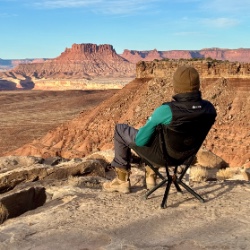
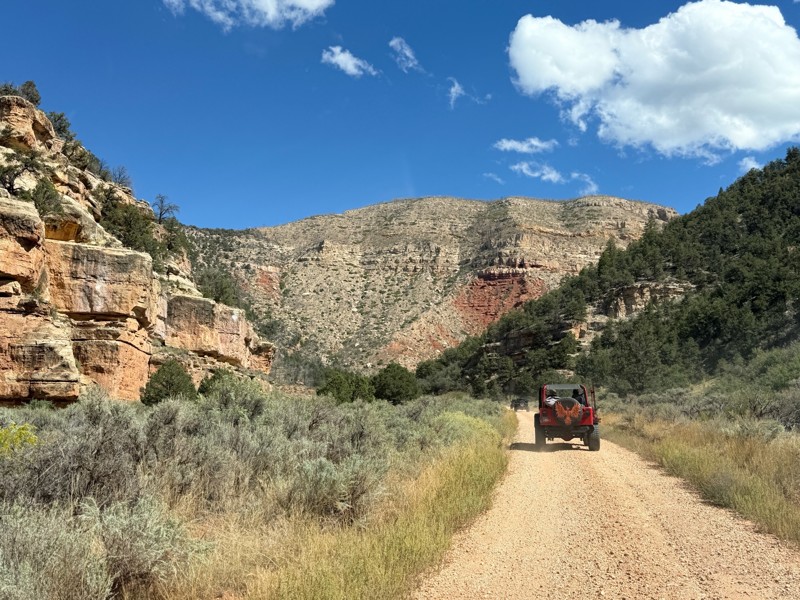
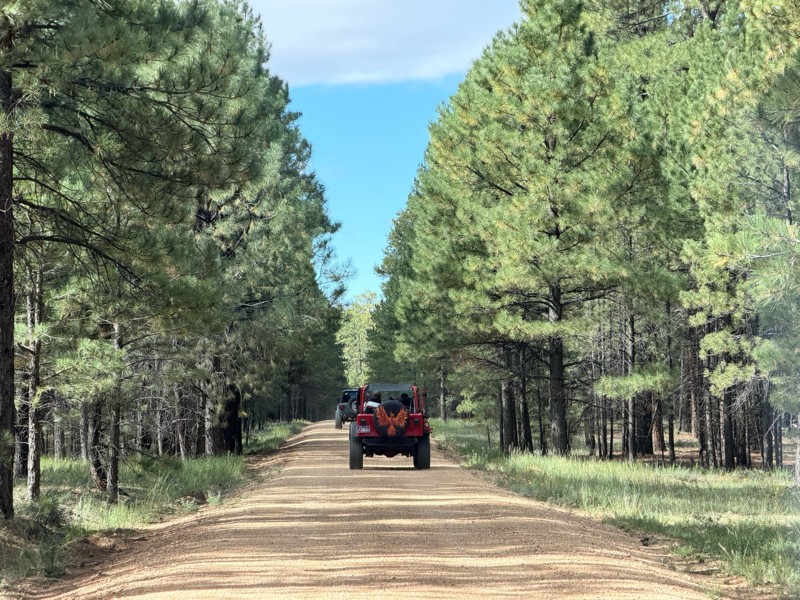
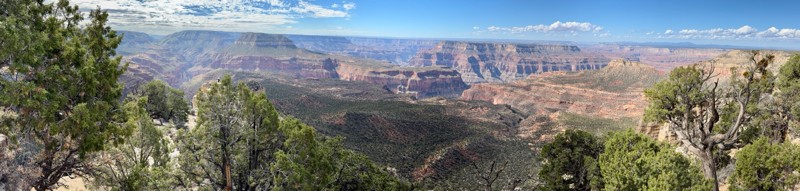
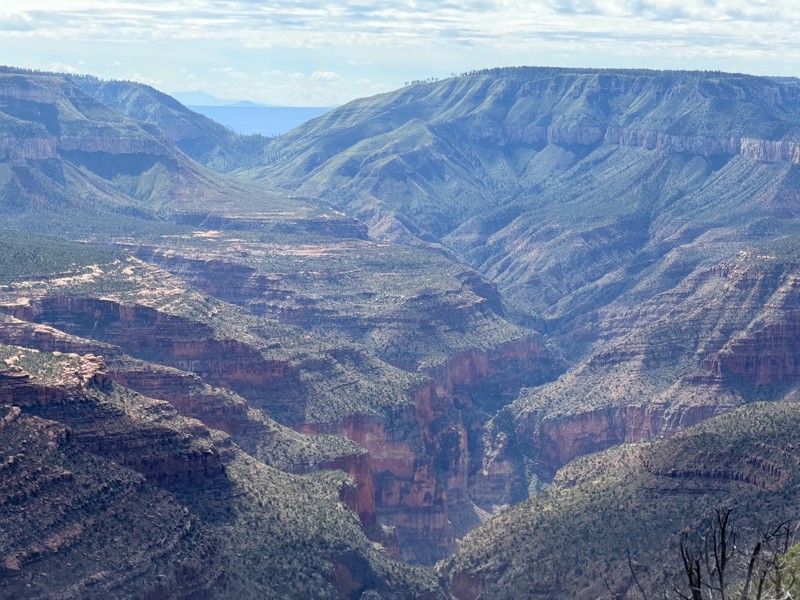
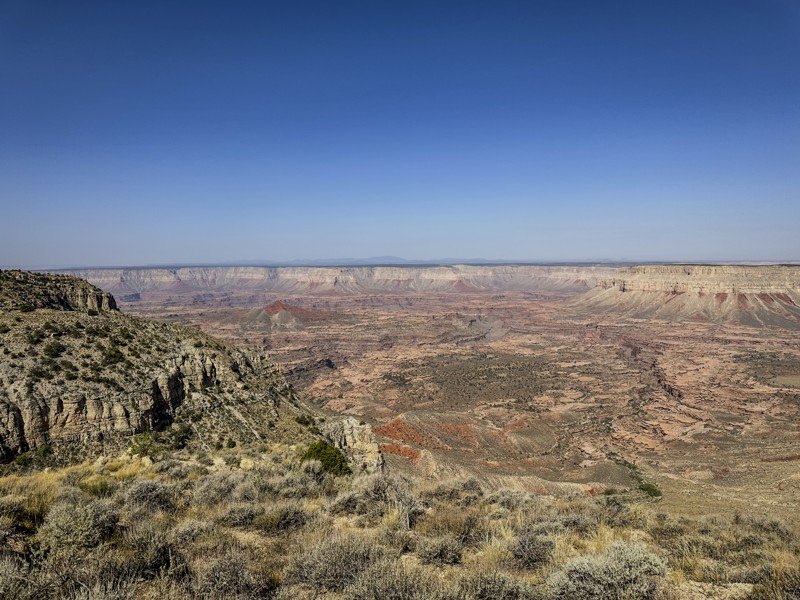
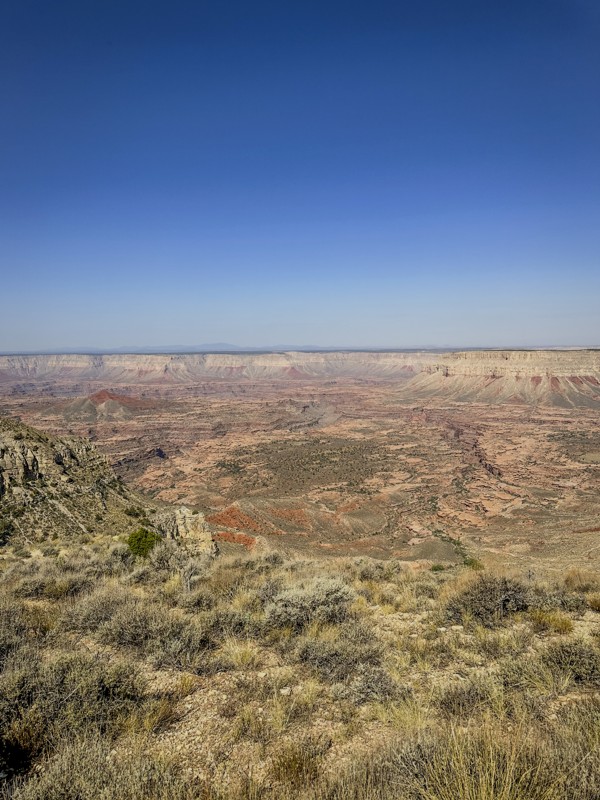
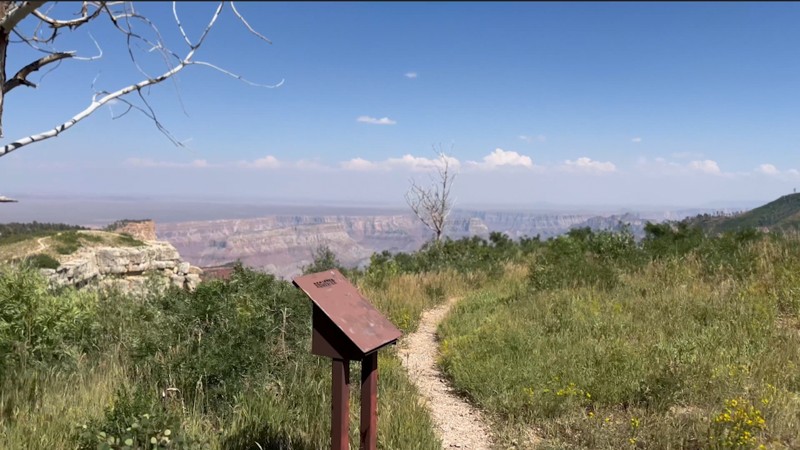
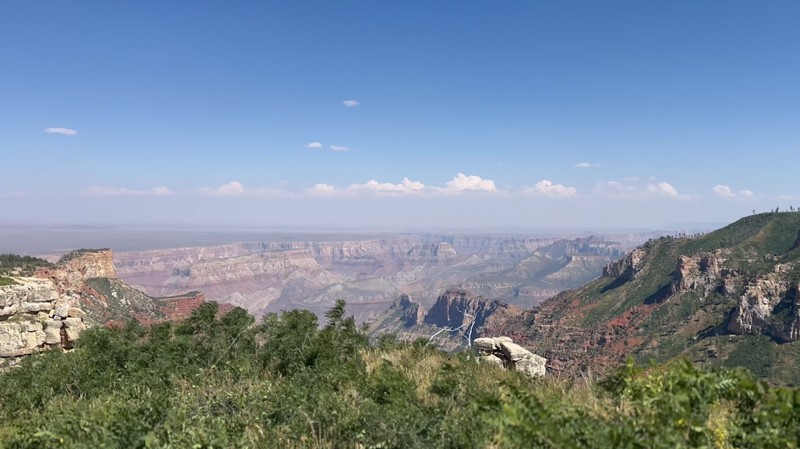
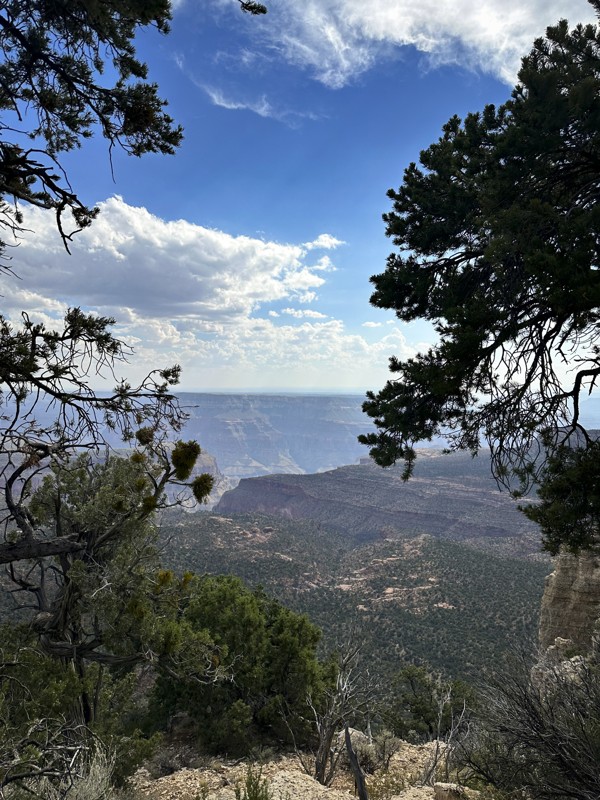
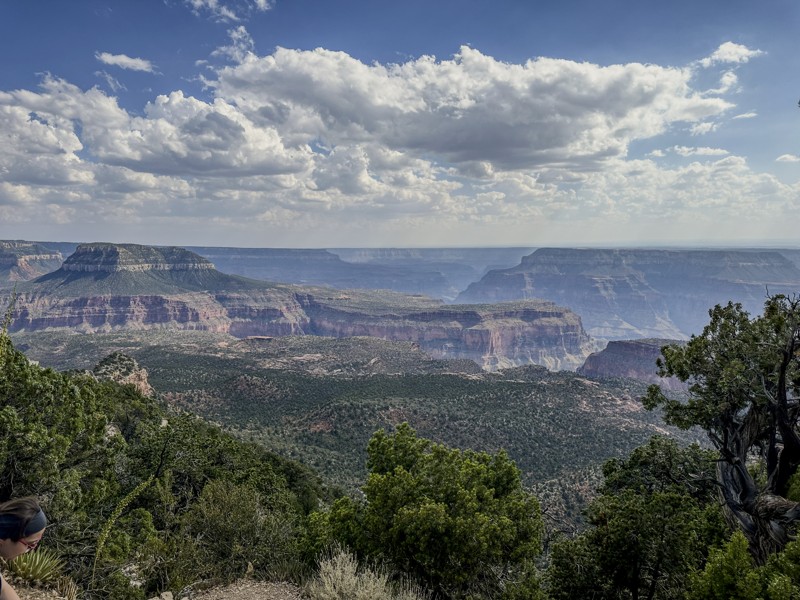
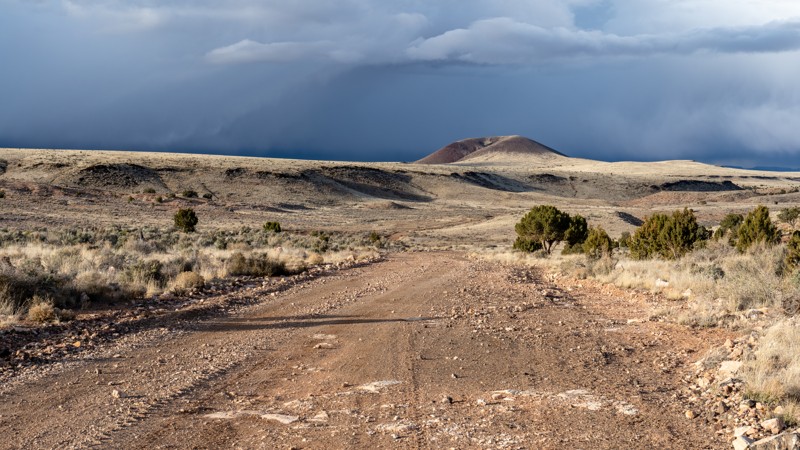
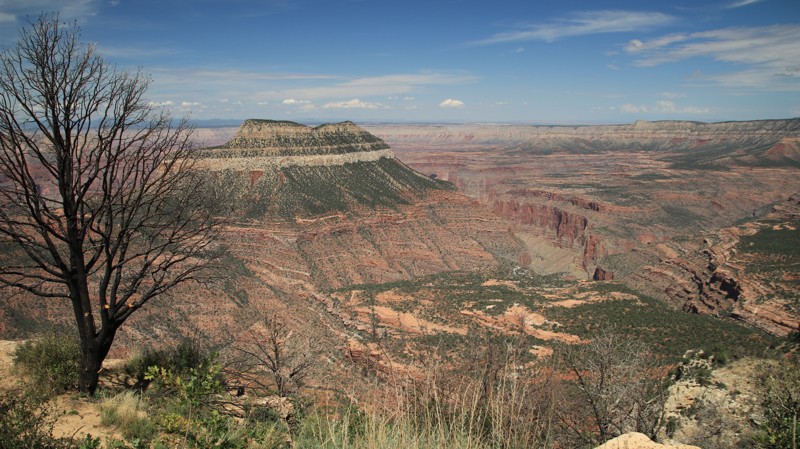
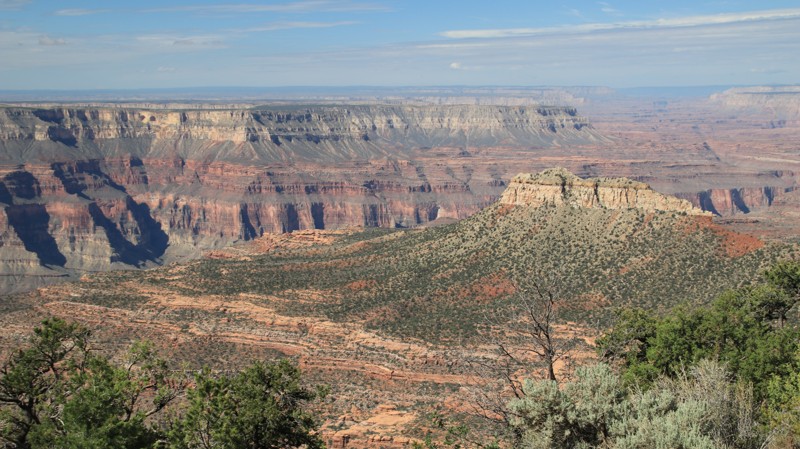
The North Rim of the Grand Canyon offers a quieter, wilder experience than its southern counterpart—and for offroaders, it's a hidden gem. Surrounded by the expansive Kaibab National Forest, this region delivers cool high-elevation forests, remote trail access, and breathtaking canyon-edge views, all far from the crowds.

Why Offroaders Love the North Rim

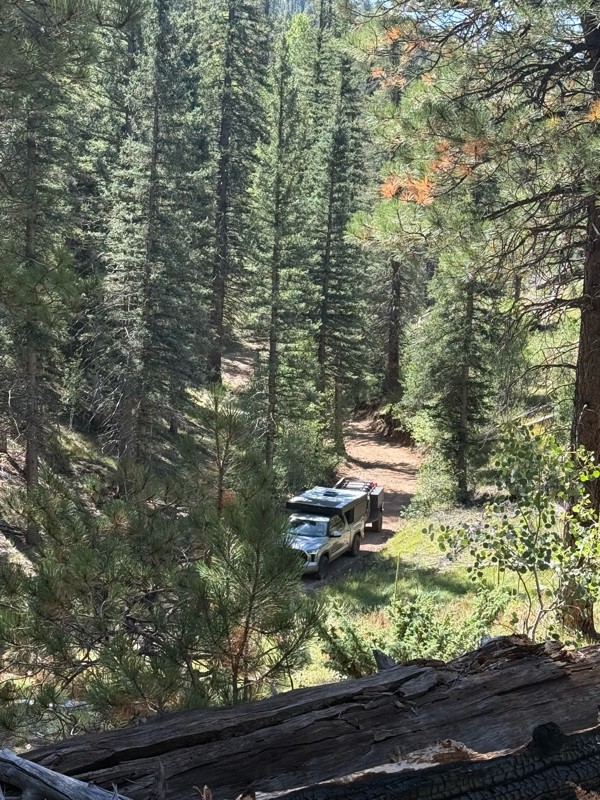
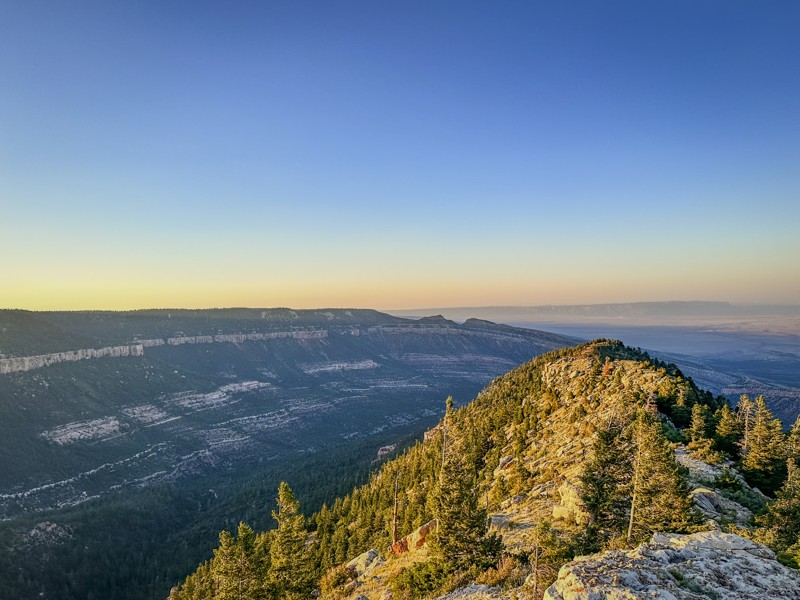
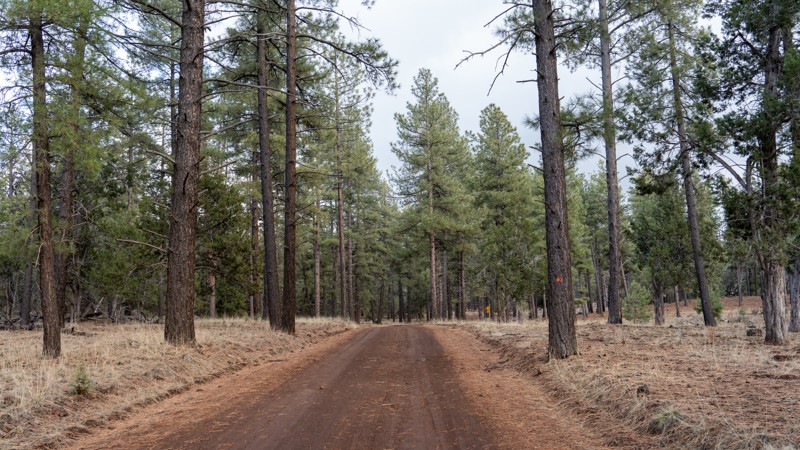
Kaibab National Forest is crisscrossed with a network of forest roads ranging from smooth graded routes to rugged two-tracks. Many of these trails lead to spectacular overlooks, historic fire towers, and secluded campsites perched just steps from the canyon rim. Popular routes include Toroweap, Point Sublime, Crazy Jug Point, and Saddle Mountain Overlook—each offering a blend of scenery, solitude, and just enough challenge to keep it fun.

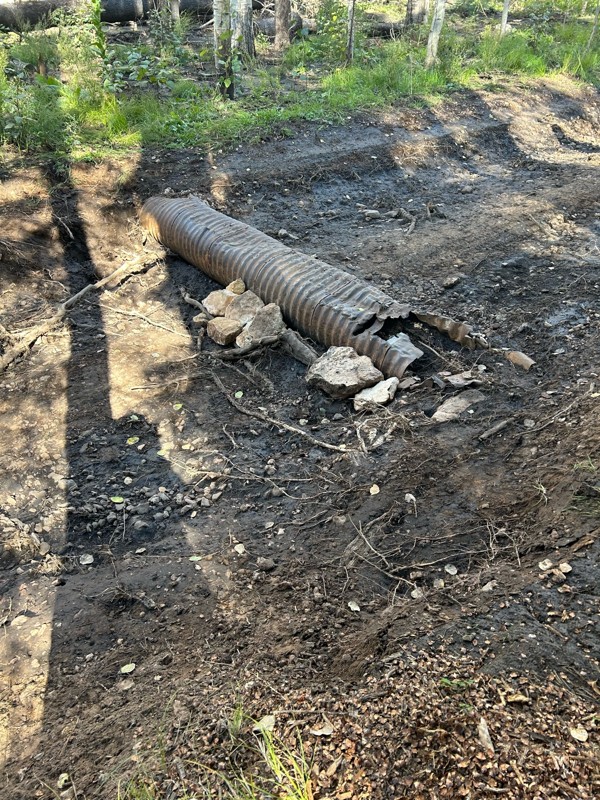
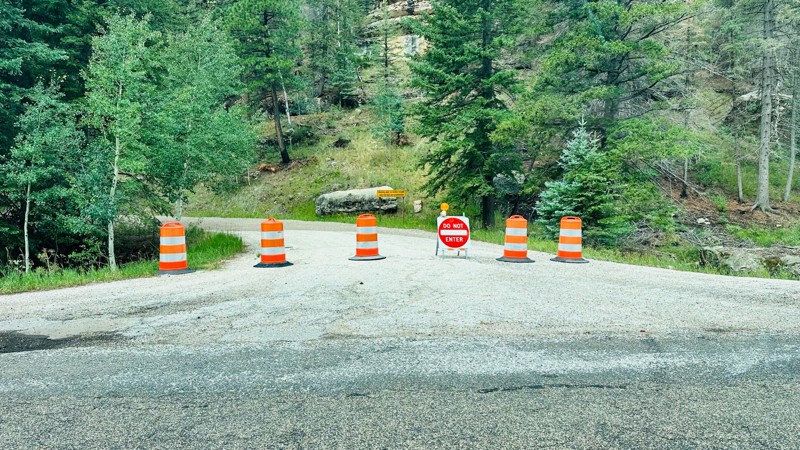
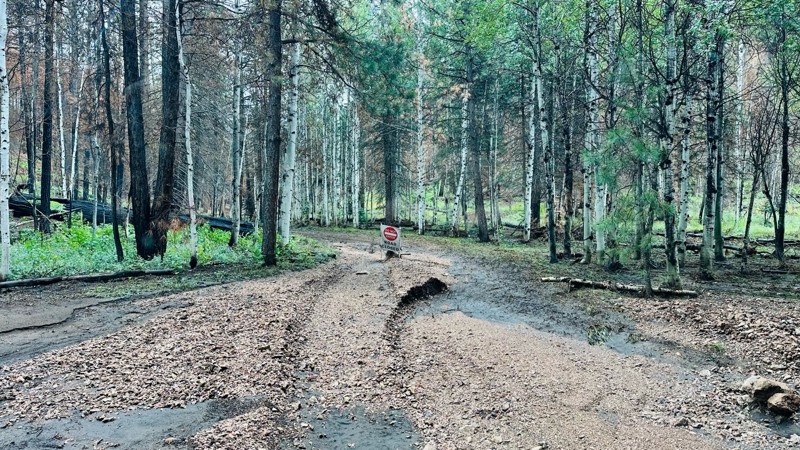
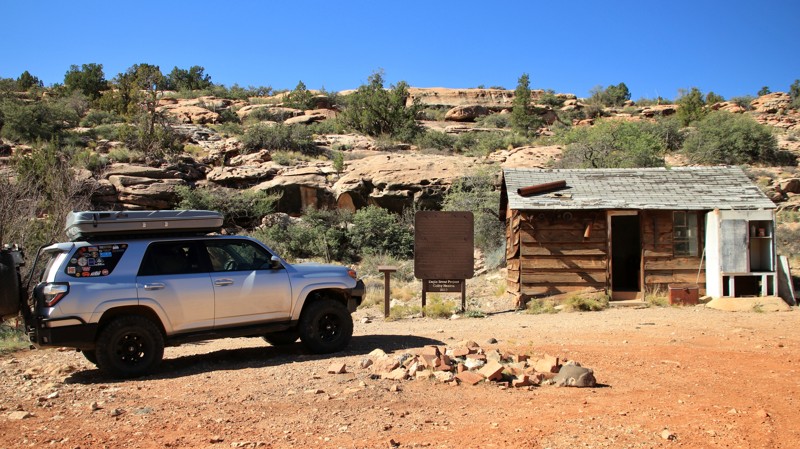
Most trails are best suited for high-clearance 4x4s, especially after rain or snow. Wildfire closures can impact access, so checking local conditions and updated trail guides is a must.

Camping and Trip Planning

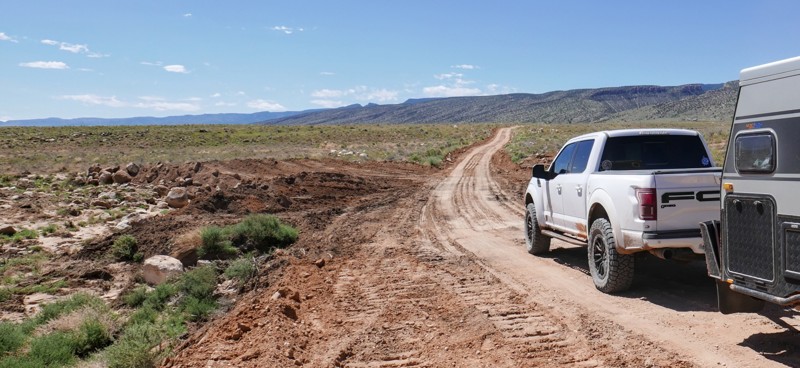
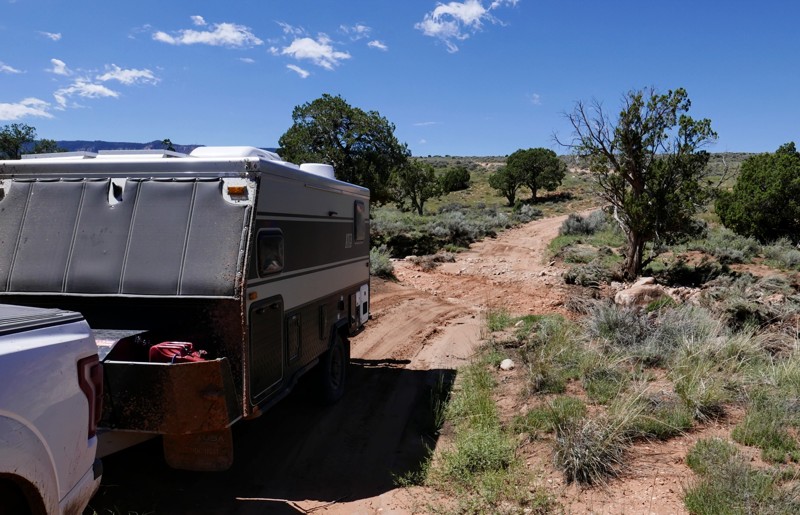
Dispersed camping is widely available throughout the Kaibab Plateau. From pine-covered ridges to meadow-lined roads, there’s no shortage of scenic, peaceful spots to set up camp. Services are limited, so pack in water, supplies, and a sense of adventure. The season typically runs from late spring through early fall, depending on snowmelt and road conditions.

Plan Your North Rim Adventure

  • Best Vehicle Type: High-clearance 4x4
  • Navigation: Trails Offroad GPS trail maps recommended
  • Popular Offroad Trails: Toroweap, Point Sublime, Crazy Jug, Marble Viewpoint, East Side Game Trail
  • Land Management: National Park Service, USFS Kaibab National Forest, North Kaibab Ranger District

For offroaders craving a true backcountry experience with unbeatable views of the Grand Canyon, the North Rim delivers. Load up your rig, grab the GPS, and get ready to explore one of Arizona’s most underrated offroad regions.
Top Reasons to Explore Here

Basemaps
Go All-Access to Unlock


TRAILS OFFROAD™ TRAIL TYPES
Trail Guide
Full detailed write up with Advanced Rating System, Waypoints, Video, and more.
Scout Route
Lite version with highlights, camping, and hardest part documented. Vetted in person.
TRAIL DIFFICULTY RATINGS
easy (1-2)
Suitable for high clearance 2WD
moderate (3-4)
Best suited for a high clearance 4x4
difficult (5-6)
Best suited for a lightly modified 4x4
severe (7-8)
Best suited for a highly modified 4x4
extreme (9-10)
Best suited for specialized buggy type vehicles
LAYERS

Most Recent Trail Reviews

Most Popular

Search for Trails
Arizona: Point Sublime Hero Photo
All-Access Icon
4.8/5 (28 reviews)
Updated: 06/23/2024

Point Sublime

Fredonia, Arizona
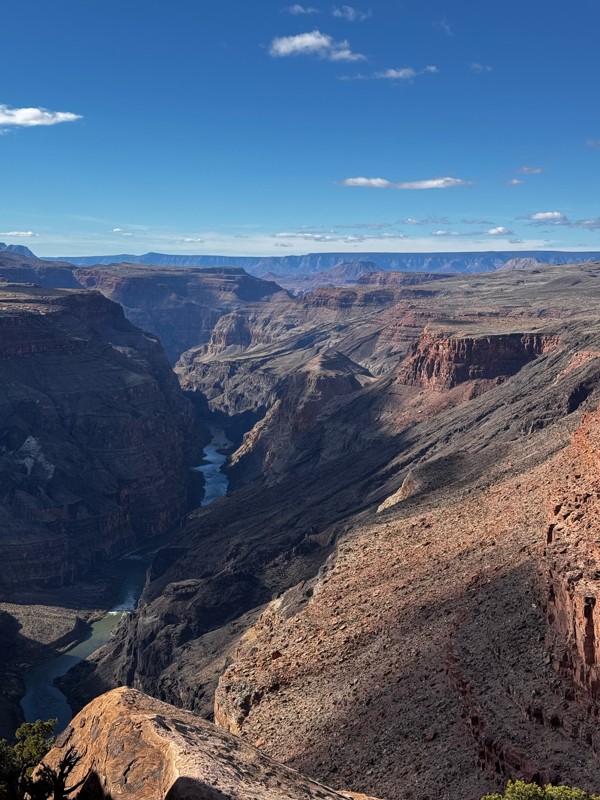
The Point Sublime trail, located in the less-visited North Rim of the Grand Canyon National Park and is one of the four offroad trails inside the Park. The awe-inspiring and sublime nature of this point is most likely why it has its given name. The Grand Canyon National Park is 1,902 square miles. Its otherworldly landscape and enormity will leave you feeling small and breathless as you make the drive to Point Sublime. Driving through a timeless forest mixed with rolling meadows is accented with two main viewpoints along the way that act as warm-ups for what lays ahead. Once you make it to Point Sublime, that feeling of being immersed in the splendid magnitude is cemented as the narrow peninsula suspends you over the grandly expansive canyon, with just a sliver of a glimpse of the Colorado River at Boucher Rapids. The Point Sublime campsites offer the most extraordinary views from a tent window that a person could see.
Arizona: Whitmore Overlook Hero Photo
All-Access Icon
4.9/5 (15 reviews)
Updated: 05/27/2024

Whitmore Overlook

Saint George, Arizona

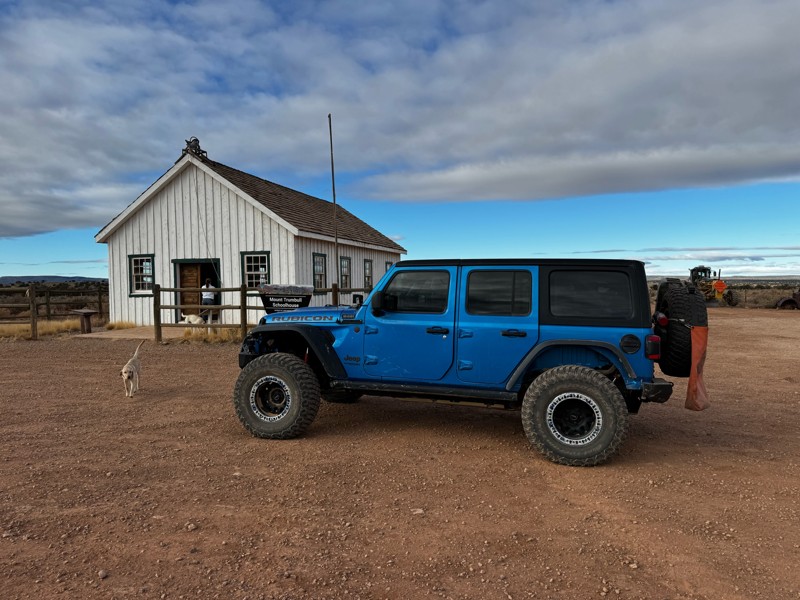
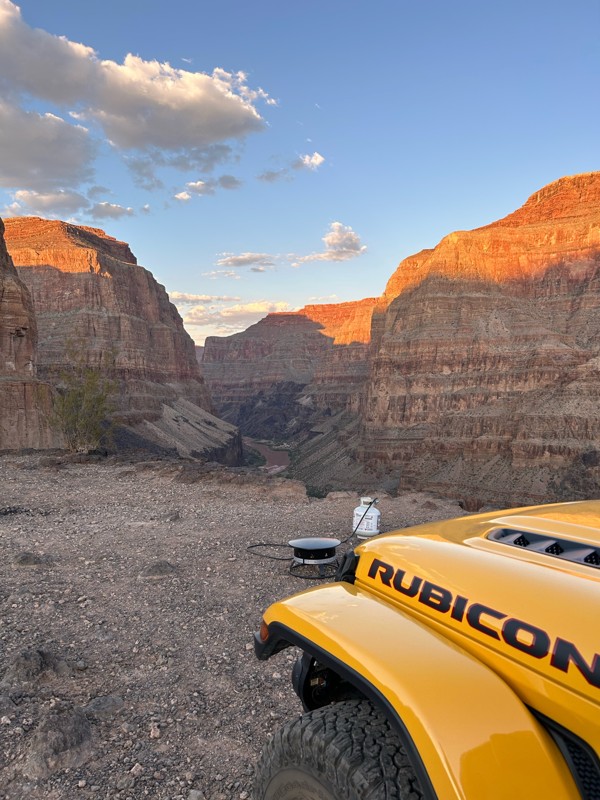
Located in the remote and mostly uninhabited Arizona Strip, Whitmore Overlook is an iconic Overlanding destination. The trail ends at an uber-impressive viewpoint 500 feet above the Colorado River as it snakes through the western end of the Grand Canyon. The ambitious can hike down to the river. But most will be content to sit on the cliff's edge admiring the scenery and possibly seeing a group of river rafters passing below. While the end of the trail is a worthy destination, getting there is special too. The trail begins at the historic Mount Trumbull Schoolhouse. Constructed in 1922, the schoolhouse was the civic focal point for the hardy residents of the area until 1966. Today it houses artifacts and photographs of the era. Passing through a pinion-juniper forest, every curve on the trail presents a new and impressive view of the Uinkaret Mountains to the east and the Whitmore Plateau and flat-topped 6,500-foot Grassy Mountain to the west. The sandstone cliffs glow in a rainbow of reds, oranges, pinks, grays, and white. Traveling farther south, ominous dark lava flows spill over the sandstone heights. Part of the Uinkaret Volcanic Field, the lava flows range from 850,000 to 72,000 years old. Uinkaret flows dammed the Colorado River at least 17 times, forming a lake that spanned back to the present-day Phantom Ranch. Each time the river overflowed the dams. The silt-laden water of the Colorado River eroded the basalt dams allowing the river to return to its voyage to the Gulf of California. From the Whitmore Overlook, you can see the remains of one of the lava dams across the river. The climax of the trail is obviously a night spent under the stars on the edge of a cliff above the mighty Colorado. With no light pollution, the night sky comes alive with a blanket of twinkling billions of stars and galaxies overhead. Sunrise and sunset views are nearly unparalleled. It's worth the trip.

Arizona: Toroweap Hero Photo
All-Access Icon
5/5 (13 reviews)
Updated: 06/02/2024

Toroweap

Fredonia, Arizona

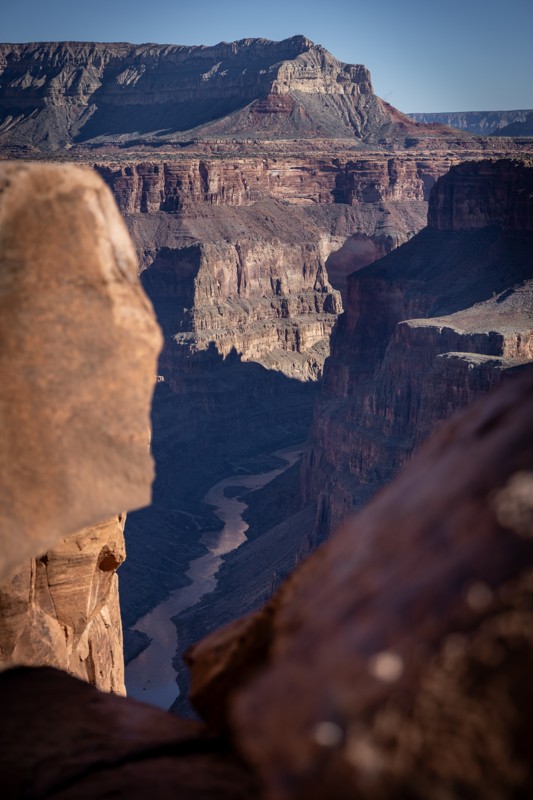
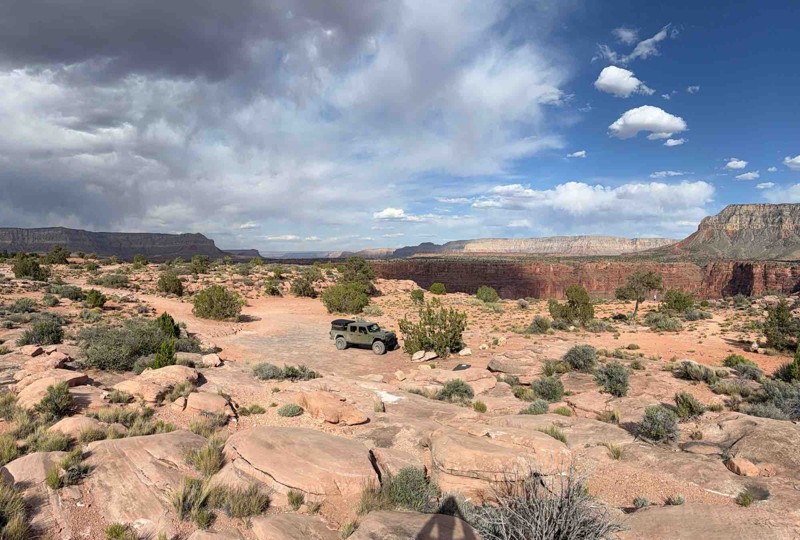
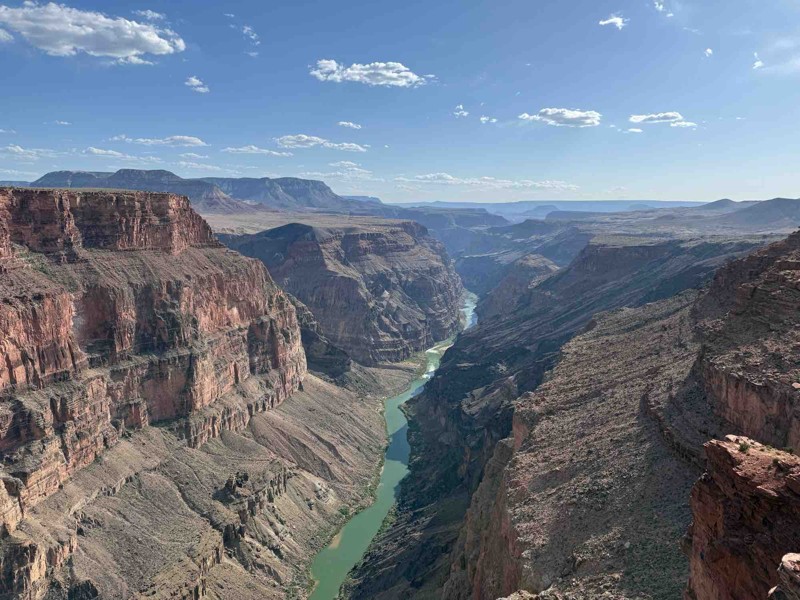
You've undoubtedly seen the photographs though you might not have known where they were taken. The dramatic sandstone cliff dropping 3000 feet straight down to the Colorado River below is an iconic image. The location is the Toroweap Overlook. It sits in one of the most remote areas of Arizona, the Arizona Strip. Toroweap and Tuweep are used interchangeably. Both are derivations of a Paiute word meaning dry, barren valley. The long drive to Toroweap bears out the applicability of the name. But even barren locals can be dramatically beautiful. Multihued sandstone cliffs rise on either side of the Paiute's barren valley. To the south lies cinder cones and lava flows from the ancient Uinkaret Volcanic Field. Long views abound as the road descends towards the canyon cut by the Colorado River, the grandest canyon of them all. Walking to the edge of the Toroweap Overlook is a profound experience. The views are breathtaking. The immenseness of your surroundings is almost incomprehensible in human terms. The view here is like no other along the entire Grand Canyon. You have to work to get here, but it's worth the effort.

In an effort to manage the number of visitors to the area, all motor vehicles entering the Toroweap area of the Grand Canyon National Park require a backcountry permit or a day-use ticket available through Recreation.gov.

Arizona: Buffalo Ranch Road Hero Photo
Scout Route Icon
4.8/5 (13 reviews)
Updated: 09/23/2026

Buffalo Ranch Road

One Mile, Arizona
Buffalo Ranch Road is a very flat access road to the North Rim of the Grand Canyon. This route is mainly graded dirt. However, there are occasional sand-blown dune areas that require high clearance and 4WD. No camping is available until you get to the rim.
Arizona: Kanabownits Road Hero Photo
All-Access Icon
5/5 (14 reviews)
Updated: 10/21/2026

Kanabownits Road

Fredonia, Arizona

In the late 1870s, Edward Dutton led various geological survey teams deep into what was then the unmapped northern side of the Grand Canyon. He found a long narrow promontory extending far out into the canyon with views he called "most sublime." Today there are only two routes to Dutton's Point Sublime. The first originates at the Grand Canyon's North Rim Village and is appropriately named Point Sublime. The second route comes in from the north and is named Kanabownits for a picturesque spring along the trail. Kanabownits Road passes through a fertile forest with ferns towered over by old-growth Ponderosa pines. Spruce and aspens dot the forest. The tight trail drops into small tight canyons, grips hillsides on narrow shelves, and bursts into open glades fed by springs. Once a ranger lived along the trail watching for wildfires. Today only the small deteriorating cabin remains up a small spur trail. While Point Sublime is the objective of the area, should you choose to enter or depart by the north, Kanabownits Road is a worthy part of the adventure.

Arizona: Dog Saddle Hero Photo
Scout Route Icon
4/5 (4 reviews)
Updated: 10/15/2024

Dog Saddle

North Rim, Arizona
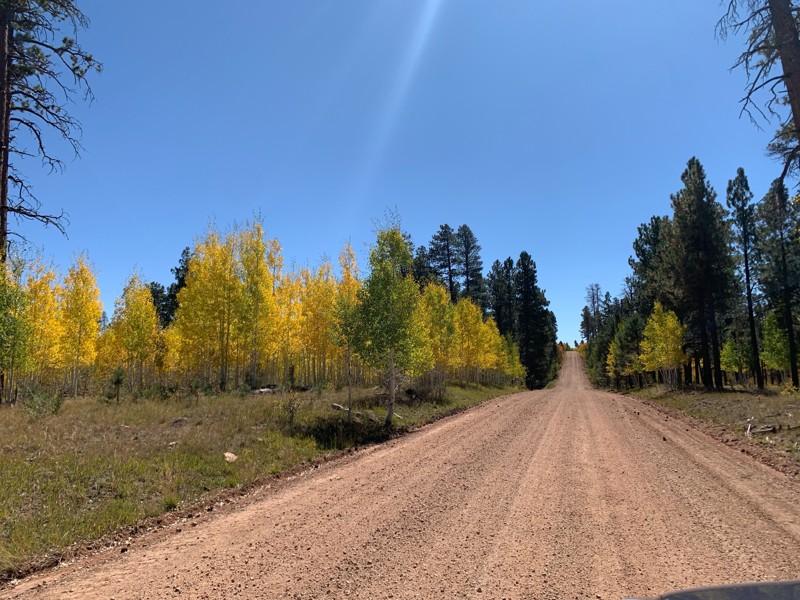
Ever wonder where roads get their names? Typically dogs don't wear saddles. Dog Saddle runs from Dog Point in the north to the Saddle Mountain Trailhead in the south. There's a small campsite with a view from the spur at the trail's northern end. Aspen trees along the roadside dominate the middle of the trail. In the Fall, they turn yellow, giving the road the illusion of being a golden tunnel. The road runs ramrod straight along the border of the Grand Canyon National Park. At the southern end of the road lies the Saddle Mountain Trailhead, a hike through the Saddle Mountain Wilderness to connect with the Nankoweap Trail into the Grand Canyon. There are a few small campsites at the trailhead with good canyon views.
Arizona: Swamp Ridge Road Hero Photo
Scout Route Icon
5/5 (3 reviews)
Updated: 10/15/2024

Swamp Ridge Road

North Rim, Arizona
Swamp Ridge Road passes through old-growth pines and fields of ferns to a great view into the Grand Canyon and the North Bass Trailhead. The end of the trail is inside the Grand Canyon National Park. The trail also connects to Kanabownits Road, which ends on Point Sublime Road. Be prepared to clear downed trees. Camping inside the park requires a backcountry permit. Camping along the trail outside the park is free.
Arizona: Mount Trumbull Loop - Main Street Section Hero Photo
Scout Route Icon
4/5 (5 reviews)
Updated: 04/09/2025

Mount Trumbull Loop - Main Street Section

Rock Crossing, Arizona

Located in northern Arizona, within a vast area known as the Arizona Strip, the Mount Trumbull Scenic Loop is a picturesque drive through the Grand Canyon-Parashant National Monument that takes drivers through nearly every aspect of terrain the monument offers. Cutting through the desert, shrubland, and montane habitats, drivers are rewarded with picturesque views of deep canyons, vast valleys, lonely buttes, and 8,000-foot mountains.

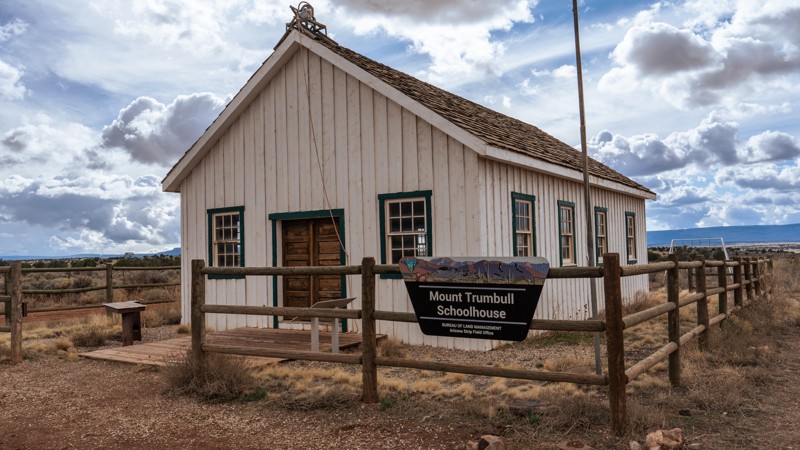
Main Street is the western section of the CR 5, Mount Trumbull Loop, traveling between Wolf Hole Valley and the Mount Trumbull School House, essentially connecting St. George to Mount Trumbull. This is the primary access road for those visiting the Mount Trumbull School House and the Whitmore Overlook. The Mount Trumbull School House is a historic replica of the 1918 schoolhouse that served as the school, town hall, church, and community meeting place for the local homesteaders until 1966, when it was shut down. The original building burned down due to arson but was rebuilt to its original specs in 2001 with the help of volunteers. At the schoolhouse, you will find many relics of the past, informational signs, and a public outhouse. The road through Main Street Valley has a well-maintained, hard-packed gravel and clay surface, is multiple vehicles wide, and is suitable for any vehicle in dry conditions. After mild rain, the clay sections of the road become impassable for a few hours, while a heavy rain event can make the road impassable for days.

Arizona: Mount Trumbull Loop - Clay Hole Section Hero Photo
Scout Route Icon
3/5 (4 reviews)
Updated: 04/22/2026

Mount Trumbull Loop - Clay Hole Section

Tuweep, Arizona

Located in northern Arizona, within an area known as the Arizona Strip, the Mount Trumbull Scenic Loop is a picturesque drive through the Grand Canyon-Parashant National Monument that takes drivers through nearly every aspect of terrain the monument offers. Cutting through the desert, shrubland, and montane habitats, drivers are rewarded with picturesque views of deep canyons, vast valleys, lonely buttes, and 8,000-foot mountains.

Clayhole is the eastern section of the CR 5, Mount Trumbull Loop, and connects Colorado City to Tuweep. This is a primary access road for those visiting the Toroweap Overlook. The road winds through Clayhole Valley, traversing a scenic volcanic field and the dramatic Hat Knoll cinder cone. The road surface is generally very easy, with hardpacked clay mixed with sections of gravel and small protruding rocks. However, the clay quickly turns to a peanut butter consistency after any rain, making the road totally impassable and very dangerous until it dries. Users should always check recent and future weather forecasts before traveling on this road. In dry conditions, this is a 2WD road that is suitable for any vehicle with good ground clearance and rugged tires, such as all-terrain tires.

Arizona: Vulcan's Throne Hero Photo
All-Access Icon
4.3/5 (3 reviews)
Updated: 06/05/2022

Vulcan's Throne

Fredonia, Arizona

Vulcan's Throne, a cinder cone volcano, erupted 72,000 years ago, sending a 1200-foot-high wall of lava into the Grand Canyon. One of at least 17 in the Grand Canyon's history, the resulting lava dam created a lake that ran as far back as the present-day Phantom Ranch. The silt-filled Colorado eventually overcame the dam, grinding away the basalt and returning the river to its present state. Today Lava Falls, one of the largest rapids on the Colorado River, marks the existence of this massive volcanic dam. A sandy trail leads to the western slopes of Vulcan's Throne and then on to a hiking trail that leads down into the Grand Canyon. The geological history of the region is written largely along the trail. A part of the six million-year-old Uinkaret Volcanic Field, Vulcan's Throne's dark volcanic cinders stand in dramatic contrast to the red and orange Toroweap Formation sedimentary sandstone through which the volcano rose. Both were tectonic forces instrumental in shaping the Grand Canyon. In the quiet of the area, you can pause and contemplate the wonder of the ever-evolving earth on which we reside.

In an effort to manage the number of visitors to the area, all motor vehicles entering the Toroweap area of the Grand Canyon National Park require a backcountry permit or a day-use ticket available through Recreation.gov.

Arizona: Fire Point Hero Photo
Scout Route Icon
5/5 (3 reviews)
Updated: 10/15/2024

Fire Point

North Rim, Arizona
Fire Point goes west through a pine and aspen forest, crosses into the Grand Canyon National Park, and ends with great views down into the Grand Canyon. The trail is well maintained until it crosses into the national park, where deep mudholes and ruts could create issues for 2WD or low clearance vehicles. But it's only a short walk to the end of the trail at that point, so the trail is rated easy. The trail still shows some of the effects of the 2019 Ikes Wildfire. But it is named Fire Point, right? The MVUM doesn't allow camping along Fire Point, and overnight camping in the Grand Canyon National Park requires a permit.
Arizona: Mount Trumbull Loop - Southern Section Hero Photo
Scout Route Icon
4.5/5 (5 reviews)
Updated: 04/22/2026

Mount Trumbull Loop - Southern Section

Mount Trumbull, Arizona

Located in northern Arizona, within a vast area known as the Arizona Strip, the Mount Trumbull Scenic Loop is a picturesque drive through the Grand Canyon-Parashant National Monument that takes drivers through nearly every aspect of terrain the monument offers. Cutting through the desert, shrubland, and montane habitats, drivers are rewarded with picturesque views of deep canyons, vast valleys, lonely buttes, and 8,000-foot mountains.

The southern section of CR 5 travels east to west through significantly different terrain than the other two sections of the Mount Trumbull Loop. This section ascends a half-mile-long dugway constructed in the 1930s by the Civilian Conservation Corps into mountainous terrain with a ponderosa pine forest reaching 6,800 feet. The road is continuously rocky and rough, only 1.5 vehicles wide across the dugway. Drivers of this road are rewarded with plenty of scenic views, including the 8,028-foot Mount Trumbull and 7,866-foot Mount Logan. The trail passes a historic sawmill site that once supplied lumber to build the St. George Morman Temple in the 1870s. It also offers a short side trip to petroglyphs at Nampaweap.

There is substantial dispersed camping along this road, with many large sites suitable for groups or multiple vehicles.

This road is suitable for any high clearance 4WD vehicle, and it is highly recommended to air down to make the ride more comfortable due to the roughness of the road surface.

Arizona: Pa's Pocket Hero Photo
All-Access Icon
5/5 (3 reviews)
Updated: 06/05/2022

Pa's Pocket

Saint George, Arizona

Water is life in the desert. Places where water collects are called pockets in the deserts of the Southwest. These relatively verdant pockets are gathering places for animals and humans. Native tribes knew the large rock cisterns carved into a tight slot canyon of a sandstone ridge would collect and hold the water from infrequent rains. Early settlers often improved on these natural features. Pa's Pocket is such a place. James Bundy, a prominent Mormon settler who lived near Mount Trumbell, built a dam in 1920 to capture and hold the runoff rainwater in this slick rock sandstone canyon to support cattle ranching in the area. Atwood and Ben Bundy built the cabin in 1945. Pa's Pocket is an oasis in a beautiful but parched landscape. The small canyon leading to the dam is often 20 degrees cooler than the surrounding environment. The trail to Pa's Pocket is scenic and just challenging enough to keep things interesting. The Pocket is a great payoff for the effort. Please respectfully visit the area and admire both the natural beauty and the efforts of the hardy people who lived in this land.

Arizona: West Side Ryan Hero Photo
Scout Route Icon
4.2/5 (4 reviews)
Updated: 09/23/2026

West Side Ryan

Ryan, Arizona
West Side Ryan, FR 22, is the main north/south arterial road into the northern Kaibab National Forest. The road begins in Fredonia. The first 22 miles are paved and boring. The remaining 29 miles are graded dirt and definitely not boring. West Side Ryan cuts through a park-like forest of old-growth Ponderosa Pines before terminating at Highway 67 near De Motte Campground. The road passes historic Big Springs Cabins, one of the original ranger stations built in the early 1900s. Today it serves as a USFS work center, and some cabins are set aside as rentals. There's even a ribbon waterfall during the rainy season. There is camping on the many spur roads leading off West Side Ryan, but none directly along the road.
Arizona: Crazy Jug Point Hero Photo
Scout Route Icon
4.7/5 (6 reviews)
Updated: 09/23/2026

Crazy Jug Point

Ryan, Arizona
Besides having a cool name, Crazy Jug Point offers great views and some nice campsites. The roads are in good condition with a couple of moderate climbs and descents. FR 292A, the western spur, services the Bill Hall Trailhead and has a couple of campsites right on the edge of the rim. FR 292B, the southern spur leads to amazing views and a nice campsite.
Arizona: Fracus Canyon Hero Photo
Scout Route Icon
4/5 (3 reviews)
Updated: 10/15/2024

Fracus Canyon

Ryan, Arizona
Fracus Canyon, named for the winding canyon on its northern end, is a major north/south arterial road in the Kaibab National Forest. The northern portion of the trail was burned in the 2020 Mangum Wildfire. The blackened trunks of massive Ponderosa pines stand stark against the white backdrop of the canyon walls. The burned section gives way to a beautiful pine forest with campsites scattered along the central portion of the trail and its many spurs. The road intersects with West Side Ryan, close to Highway 67 and the DeMotte Campground.
Arizona: Ryan Jumpup Divide Hero Photo
Scout Route Icon
3.5/5 (2 reviews)
Updated: 09/23/2026

Ryan Jumpup Divide

Ryan, Arizona
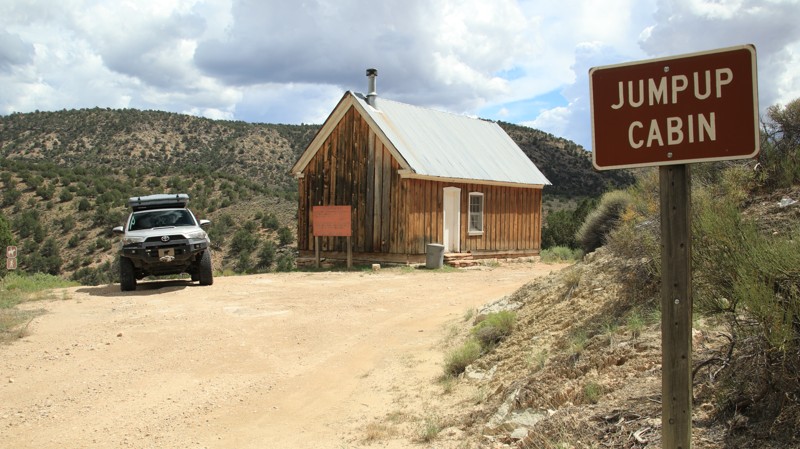
This trail has everything from a well-graded road to a two-track with weeds higher than your hood and a shelf section. There are wide grassy valleys with cattle and deer. And at the end is a historic cabin you can rent. Ryan Jumpup Divide begins at its intersection with West Side Ryan, the major north-south artery through the Kaibab National Forest. The initial parts of the road traverse and then steeply wind out of a pretty canyon. The switchbacks are so tight that the turns are totally blind to oncoming traffic. Take care. The road makes an abrupt 90-degree turn to the west and radically changes. There's plenty of evidence of the 2007 Slide Fire. The trail becomes a weedy, overgrown two-track for several miles. You'll be tempted to mistake which way to go at the intersection with FR 235 near a cattle tank. Stay left because the road changes again as it passes through picturesque grassy hills. Go straight ahead at the confusing intersection with FR 236. Again go straight ahead at the junction with the pleasantly graded Ranger Pass, FR 234. Ryan Jumpup Divide changes again to a shelf road until it reaches its destination, the Jumpup Cabin. The Jumpup Cabin was one of the first ranger stations built in the Kaibab in the early 1900s. It can be reserved for adventurous visitors but is locked otherwise. The cabin is also located at the trailhead for Ranger Trail. A few dispersed campsites are located along the northern part of the trail amongst junipers and pinion pines.
Arizona: Tater Ridge  FS 213 Hero Photo
Scout Route Icon
4.5/5 (4 reviews)
Updated: 09/23/2026

Tater Ridge FS 213

North Rim, Arizona
Tater Ridge Road, or FS 213, is a scenic dirt road through a Ponderosa Pine and Aspen tree forest. It is a great route between Highway 67 and the eastern edge of the Kaibab Plateau. There are a few campsites near the west end of the trail.
Arizona: Timp Points Hero Photo
Scout Route Icon
4.8/5 (4 reviews)
Updated: 10/15/2024

Timp Points

North Rim, Arizona
Timp Points goes west to two outstanding viewpoints. The well-maintained road goes through an old-growth pine forest. The trail splits to go to Timp Point and North Timp Point. Both points serve as hiking trailheads for the Rainbow Rim Trail. Both points have amazing views and campsites.
Arizona: Big Saddle - Bee Springs Hero Photo
Scout Route Icon
4.7/5 (3 reviews)
Updated: 09/23/2026

Big Saddle - Bee Springs

Ryan, Arizona
Two roads diverged in a yellow wood. Big Saddle - Bee Spring is just such a road, except half is fair and easy while the other is narrow, steep, and often muddy. The northern half of the trail is well-graded and mild-mannered, providing access to Crazy Jug, Sowats Point, and Indian Hollow. The southern half is tight, often muddy, and follows the Indian Hollow canyon until it does a steep switchback exit to connect with Dry Ridge Park. Grazing is allowed here, so expect to see cattle. The trail has only a few campsites.
Arizona: Sowats Point Hero Photo
Scout Route Icon
5/5 (4 reviews)
Updated: 10/15/2024

Sowats Point

Ryan, Arizona
Sowats Point is likely the most boring trail that leads to the most unexpected view. The effects of the 2006 Sowats Wildfire are still evident. The trail passes through an unimpressive growth of random small bushes and stunted junipers. While not difficult, the track is annoyingly bumpy. The few campsites along the way are uninspiring. The Jump Up - Nail hiking trailhead looks like it hasn't seen any action in quite a while. Then you take a left at the Y intersection towards a small hill. Angels begin to sing because this view western reaches of the Grand Canyon is completely and unexpectedly breathtaking. A right at the Y intersection takes you to a game water collection site.
Arizona: East Side Game Road Hero Photo
Scout Route Icon
4.5/5 (4 reviews)
Updated: 09/23/2026

East Side Game Road

Jacob Lake, Arizona

East Side Game Road is a picturesque track connecting Tater Ridge FS 213 and Buffalo Ranch Road. The trail provides a convenient offroad shortcut from the Grand Canyon's North Rim to or from Highway 89A via the eastern slope of the Kaibab Plateau. The shortcut saves you from traveling more than 40 extra miles, offering a significant advantage in distance and perhaps time. Spanning approximately 8.3 miles, the elevation gradually decreases from 7400 feet to 5500 feet going east. The track traverses diverse landscapes, transitioning from verdant meadows and dense alpine pine forests to the expansive open grasslands of the high desert.

The trail is narrow in hilly sections but progressively widens in the lower section. A section of shelf road along the edge of a drop of several hundred feet. While 2WD vehicles with standard clearance can easily navigate this route from west to east, off-road tires are highly recommended due to the rocky terrain encountered in the hilly areas. However, traveling from east to west requires 4WD due to loose rocks, and steep inclines, all exacerbated in unfavorable weather conditions.

While the trail's western end offers several camping spots, the area's most remarkable camping is on the eastern end of Buffalo Ranch Road, with an awe-inspiring 360-degree view of the Grand Canyon.

Arizona: Locust Point Hero Photo
Scout Route Icon
4.5/5 (3 reviews)
Updated: 10/15/2024

Locust Point

Ryan, Arizona
Locust Point, FR 294, goes west through an old-growth pine forest to a very nice viewpoint. There's limited camping at the viewpoint. A short walk is required to get the best views. The viewpoint also serves as a hiking trailhead for the Rainbow Rim Trail. The road has minor potholes but is an easy drive.
Arizona: Marble View Point Hero Photo
Scout Route Icon
4.7/5 (3 reviews)
Updated: 10/15/2024

Marble View Point

North Rim, Arizona
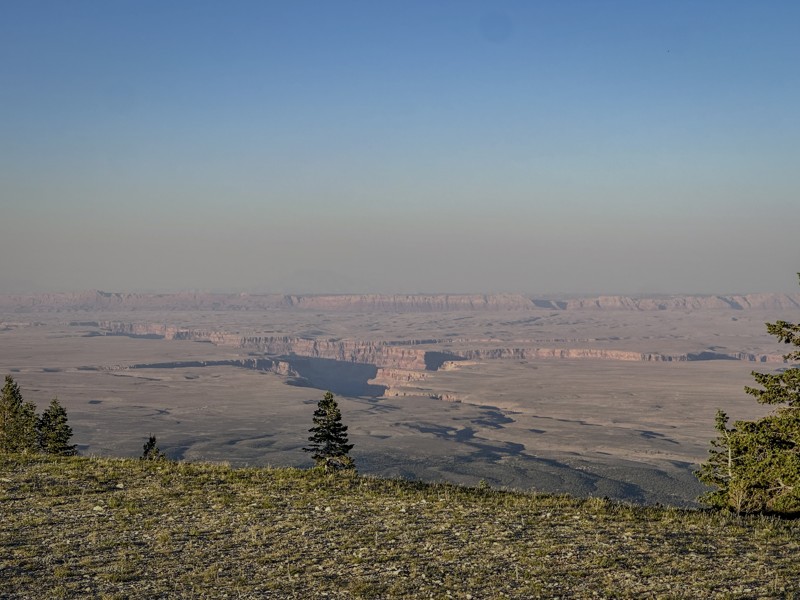
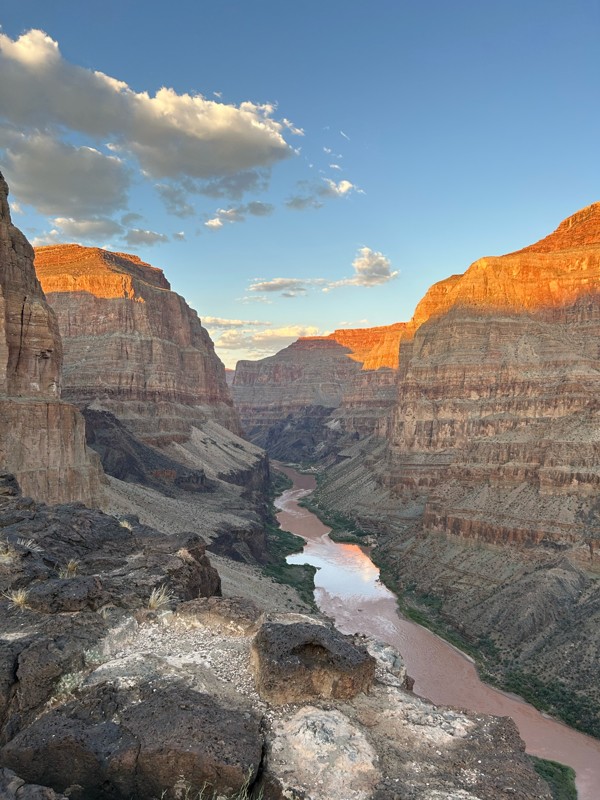
Marble View Point attracts campers and photographers with its unparalleled vistas from the bare arrowhead-shaped point jutting eastward off the edge of the Kaibab Plateau. The road to Marble View Point is easy but always has a few mudholes. The bottoms are solid. The view from the short spur road at the end showcases the Vermillion Cliffs, best seen in the late afternoon sun, Navajo Mountain in the distant east, and Marble Canyon, the first segment of the Grand Canyon to the south. There's plenty of room to camp in the edge of the trees. Marble View Point is a very popular camping destination. You will typically have neighbors. There's even cell phone service.