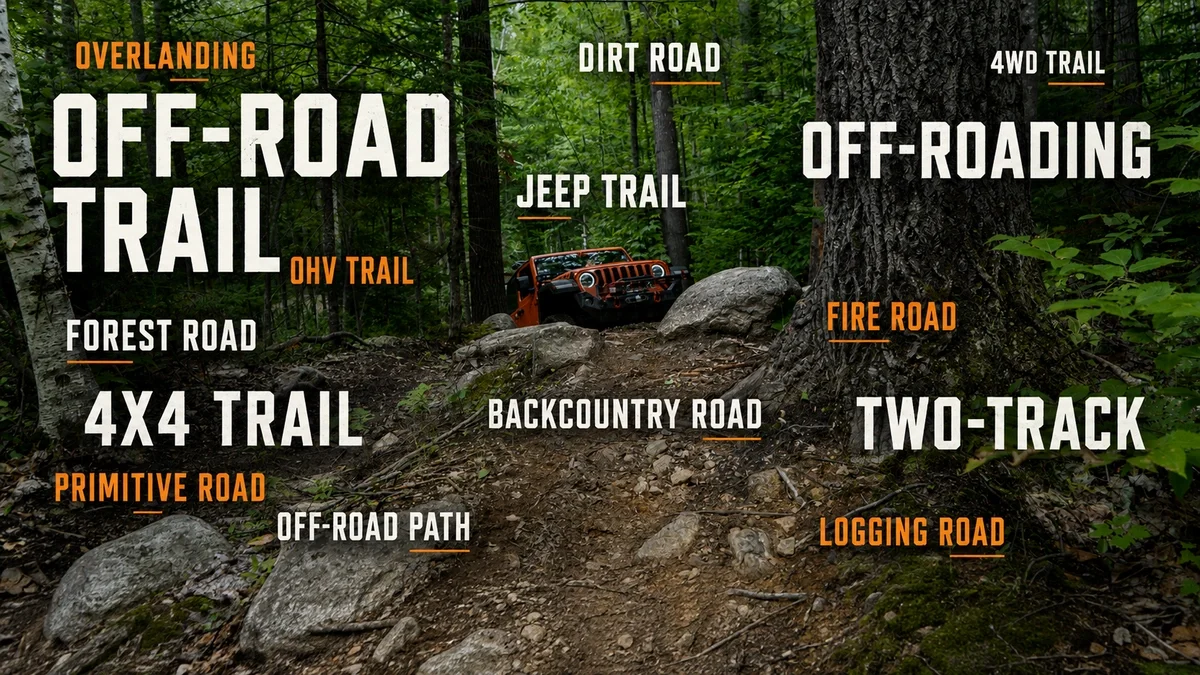
Off-Roading vs. Overlanding vs. 4-Wheeling: What to Call It, and Why No One Agrees
September 3, 2026
Overlanding, Off-roading, 4x4’ing, Backcountry Roads, Two-Tracks, Dirt Roads, Jeep Trails, Off-road Paths, and the Ongoing Struggle to Name Things
A deadpan take on trail terms by the fine (and mildly dusty) minds at Trails Offroad™
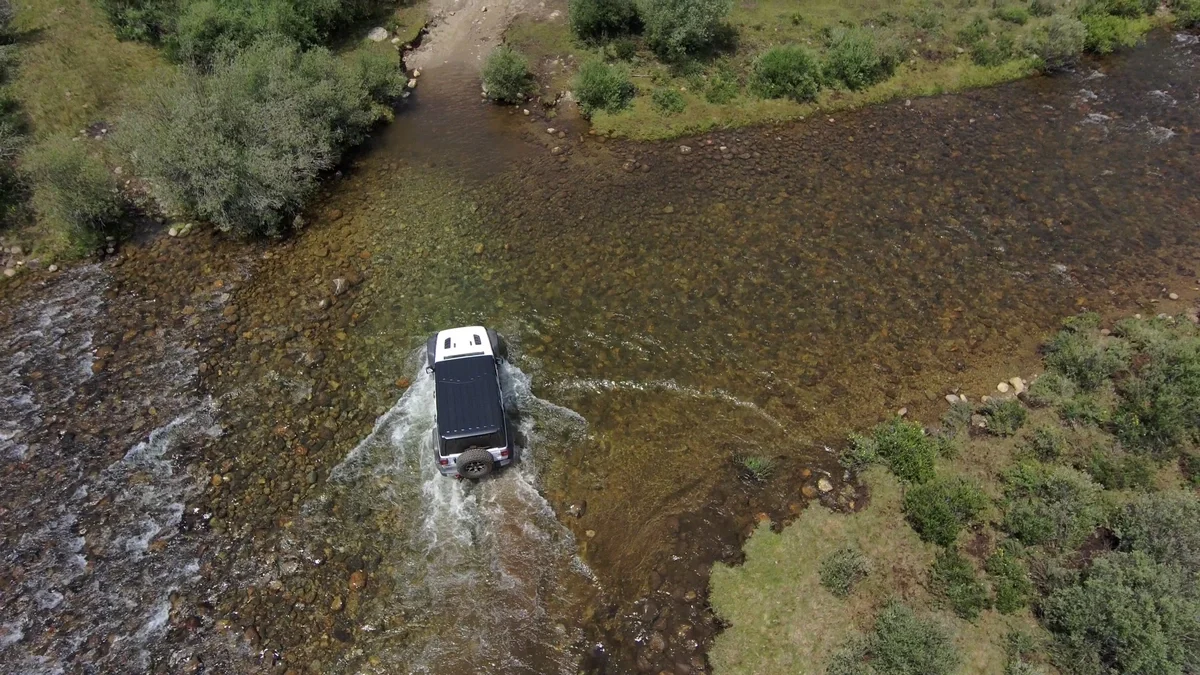
Short Version: Off-road trail is the safe default for anything unpaved. 4x4 trail often means it needs clearance and lockers. Overlanding means you're sleeping out there. Two-track means tires made it, not a grader. Everything past that is regional, contested, and worth arguing about.
It happens more often than we’d like to admit. We’re writing a trail guide, a trip report, or a post about our latest adventure and suddenly... we hesitate.
Is this a 4x4 trail? Or is it just off-road? Are we overlanding? Is it a backcountry road? A two-track? A Jeep trail? Should we say “OHV route” and sound legit?
The terminology of dirt-based adventure is full of overlapping meanings, regional quirks, and a healthy dose of “just go with it.” But since we map and name thousands of trails, we figured it’s our responsibility (and kind of our fault) to help sort it all out.
So here it is: your official, unofficial guide to knowing when to use each word—from trails to verbs to lifestyle hashtags.
Where are ya going? Describing the Trail
Let’s start with the big one. You’re standing in front of a dirt road, your rig’s aired down, and you’re wondering:
What do I call this thing?
Off-road Trail
The crowd-pleaser. This is your all-purpose term. Easy forest roads? Check. Rocky shelf roads? Check. If it’s not paved and it’s on the map, “off-road trail” probably fits.
“We found a great off-road trail with mountain views and just enough bumps to feel like a hero.”
Use this 90% of the time. It’s the Swiss Army Knife of trail terms.
Off-road Path
The one everyone searches, nobody quite defines. Somewhere between “trail” and “route,” a path is the loosest term in the bunch—unnamed, unmapped, and often just the ground remembering where a truck once drove. Ask ten off-roaders the difference between a “path” and a “trail” and you’ll get eleven answers, most of them contradictory. Our take: a path is the raw route on the ground; a trail is that same route once it’s been named, mapped, and someone’s written a guide to it.
“There’s an old mining path that cuts through the wash—not on any map, but you’ll know it when your tires find it.”
Use for unnamed, informal routes, especially ones your GPS has opinions about but no official name for.
4x4 Trail
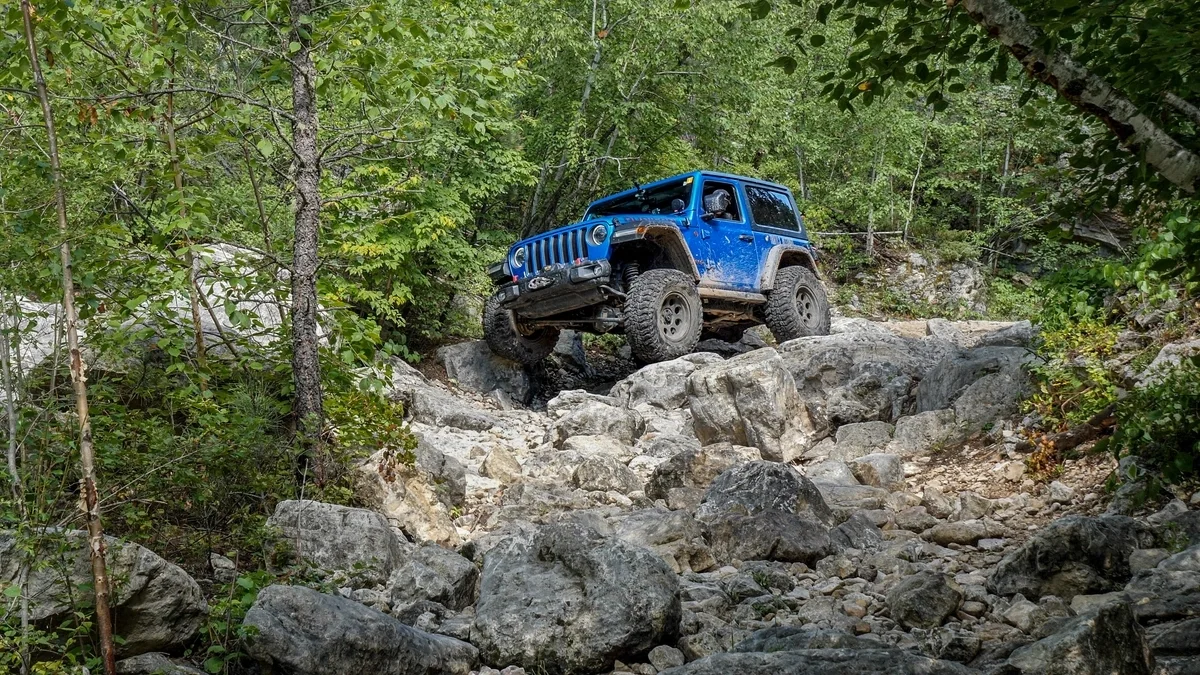
The no-joke stuff. These trails demand more than just bravery. They want clearance. They want articulation. They want that “click” when you lock the rear diff.
“This 4x4 trail has some spicy ledges and a creek crossing that eats stock bumpers for lunch.”
Use when the trail requires a true 4x4 setup—not just an adventurous spirit.
Jeep Trail
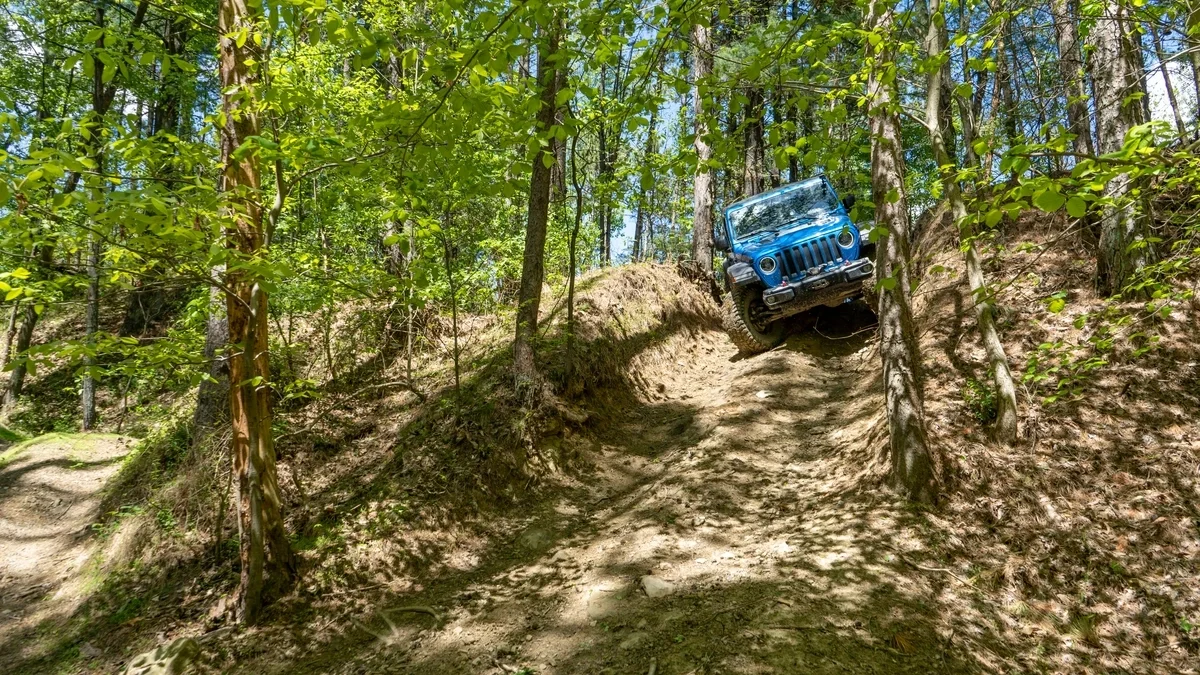
Short wheelbase? Long memories. A “Jeep trail” is often narrow, twisty, and carved out of stubborn terrain. It’s less about branding and more about the kind of tight trail that makes you appreciate approach angles.
“Classic Colorado Jeep trail with tight switchbacks and just enough clearance to make you nervous.”
Use when describing narrow, rugged routes where a compact, capable vehicle thrives.
Backcountry Road
The scenic gamble. Used in maps and ranger stations, “backcountry road” sounds peaceful—and sometimes it is. But it can also mean 40 miles of washboards, cattle gates, and existential doubt.
“Take the backcountry road another 12 miles, and if you hit a locked gate, you’ve gone too far.”
Use for remote, non-technical roads that prioritize solitude over suspension articulation.
Two-Track
The trail is less maintained. Meandering through sagebrush and old mining sites, a two-track is just enough for your tires and maybe a herd of elk. Primitive, personal, and pleasingly unmarked.
“We picked up a two-track west of the wash and followed it to an old homestead ruin.”
Use when the trail was clearly made by tires, not bulldozers.
Dirt Road
The humble baseline. Sometimes it’s not off-road. It’s just... dirt. A dirt road could lead to a fishing spot, a ranch, or a terrible decision depending on the weather.
“Turn left on the dirt road after the cattle guard.”
Use for everyday unpaved routes, especially when giving casual directions.
Fire / Forest / Logging Road
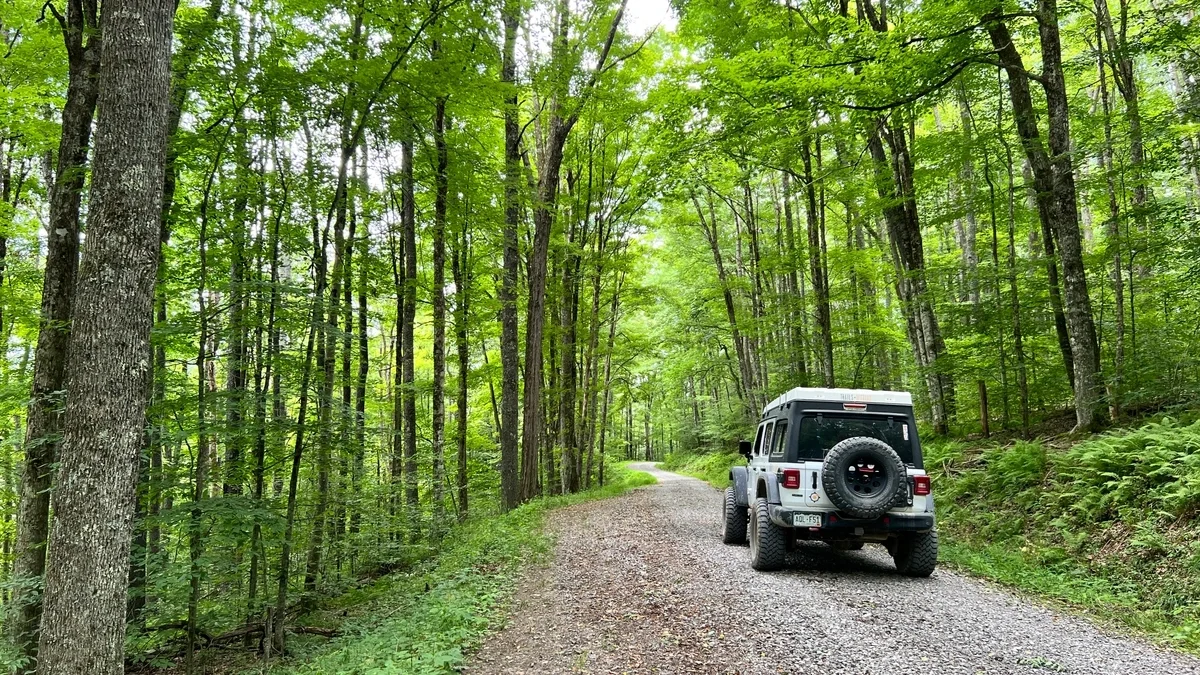
The utilitarian icons. These roads were built to move rangers, loggers, and occasionally firefighters—not your rooftop tent. But they’re now beloved by hikers, overlanders, and photographers.
“Follow the old forest road up to the ridgeline and amazing sunset views.”
Use when referencing graded access roads through public land.
Primitive Road
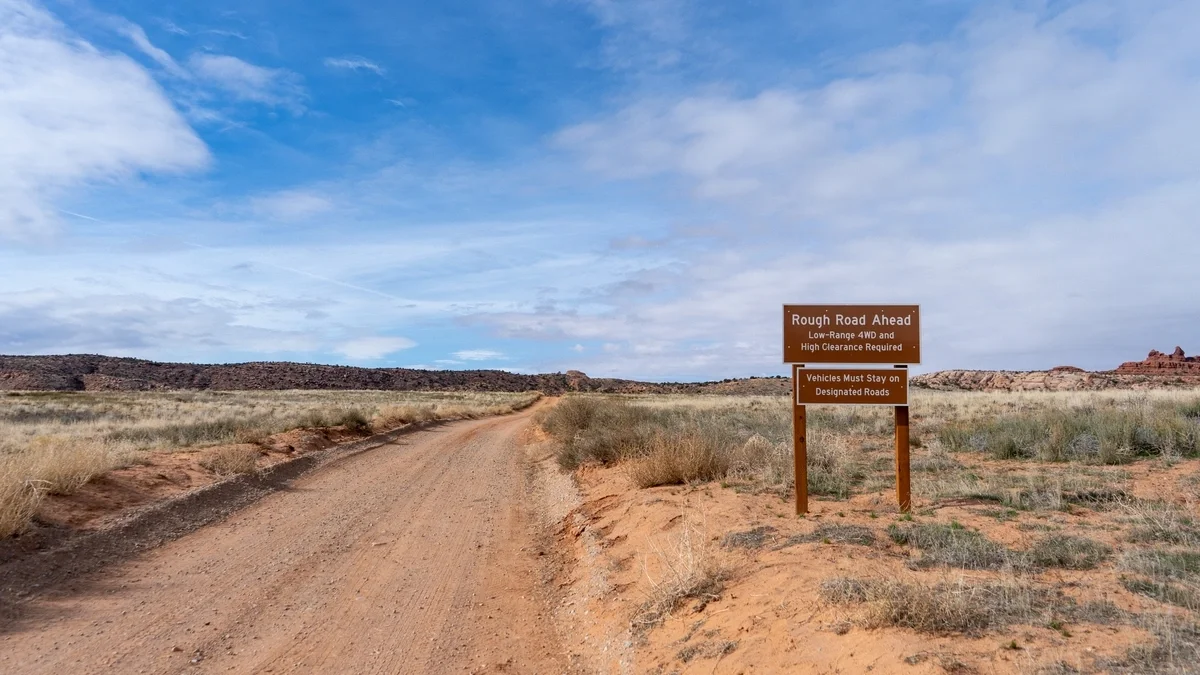
Looks easy… until it isn’t. A favorite of BLM maps and old trail signs, “primitive road” is code for “you’re on your own.” These are unmaintained, ungraded, and occasionally unforgettable.
“This is a primitive road; proceed at your own risk.”
Use when describing routes with no services, no signage, and zero guarantees.
Overlanding Trail
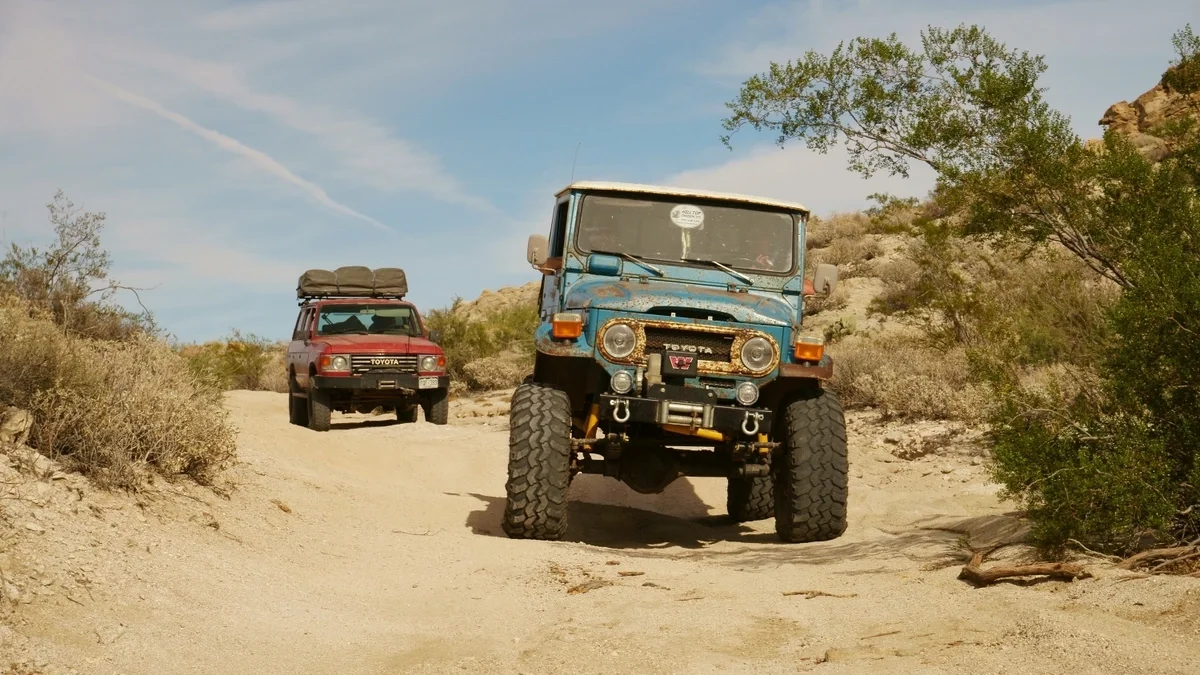
The scenic route with a sleeping bag. Not too technical, not too short. These trails are about the journey, not the adrenaline. If you’re camping, route-planning, and measuring things in nights instead of miles—this is your lane.
“A classic overlanding trail with remote campsites, river crossings, and zero cell service.”
Use when the trail supports a multi-day, self-reliant adventure.
OHV Trail
The land manager’s term. Stands for “Off-Highway Vehicle,” and is often used to designate multi-use routes for dirt bikes, side-by-sides, ATVs, and 4x4s. You’ll see it on signs, maps, and permit forms.
“This OHV trail is part of a larger managed trail system, so don’t forget your sticker.”
Use when referring to official, shared-use trail systems or when quoting signage or regulations.
4WD Trail
The bureaucratic cousin. You’ll find this in land management maps and old signage; it's not everyday speech. If the Forest Service calls it a 4WD route, who are we to argue?
“Follow 4WD Route 296 until it disappears into a drainage you’ll pretend is still a trail.”
Use in formal references or when quoting official documents.
What are you doing? Describing the Action
Now, let’s talk verbs. What do you say when someone asks what you did this weekend? What do you say when someone asks what you're into?
- Can an off-roader be an overlander?
- Can an overlander be an off-roader?
- Did social media confuse these terms?
Let's officially define these unofficial definitions.
Off-roading
“We went off-roading up near the pass. Couple good water crossings and zero regrets.”
Universally understood, casual and clear.
Overlanding
“We’ve been overlanding across Colorado all week. Haven’t seen a shower since Monday.”
Implies long-term travel and self-reliance.
Wheeling
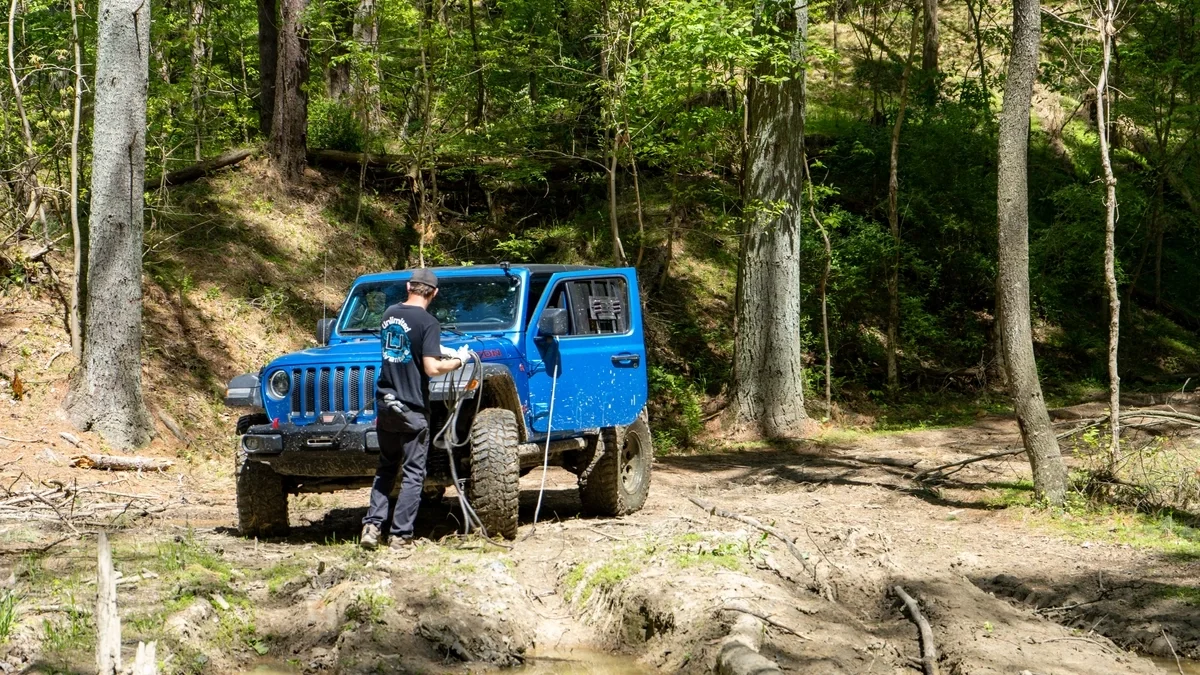
“We were wheeling all day with three recoveries, one broken control arm, and a five-star sunset.”
Slangy, enthusiast-focused, and full of good stories.
4x4’ing / 4WD’ing
“We went 4x4’ing through the canyons.” / “We did some 4WD’ing outside Moab.”
Technically fine, but rarely written. Use in speech or when “off-roading” feels too generic.
Where ya from? The Regional Debate
In the Great White North, we might hear logging or bush road. Down south, we're muddin' or mud bogging. Out west, we're driving the Jeep trails or maybe a gnarly shelf road. In the northeast, we're wheelin'.
Final Trail Markers: Which Word, When?
| Trail Type or Activity | Best Word |
|---|---|
| All-purpose non-paved route | Off-road Trail |
| Unnamed, informal route with no official name | Off-road Path |
| Technical route for built rigs | 4x4 Trail |
| Tight, rugged trail favored by short-wheelbase rigs | Jeep Trail |
| Remote road, scenic and rough but not gnarly | Backcountry Road |
| Minimal trail carved by tires | Two-Track |
| Basic, casual unpaved road | Dirt Road |
| Graded road through public land | Forest / Fire / Logging Road |
| Unmaintained, unsigned, “enter at own risk” | Primitive Road |
| Multi-day travel with camping | Overlanding Trail |
| Multi-use vehicle route (ATVs, SxSs, etc.) | OHV Trail |
| Designated by land agencies for vehicle use | 4WD Trail |
| Talking about the action (general) | Off-roading |
| Talking about the action (long-range travel) | Overlanding |
| Talking about the action (enthusiast slang) | Wheeling |
Our Take at Trails Offroad
We call things off-road until they prove otherwise.
We respect a gnarly 4x4 trail when we see one.
We cherish a backcountry road when it ends in silence and stars.
We appreciate a two-track for its quiet stubbornness.
We love a long overlanding route with nobody in sight.
We respect the signage on a good OHV trail, and we salute the humble fire road.
We nod to an unnamed off-road path when it surprises us anyway.
And yes—we go wheeling, too.
Because the truth is: they’re all just different ways to chase the same thing.
Adventure. Connection. And a whole lot of dirt.

Todd is the Founder of Trails Offroad and an avid wheeler who loves to explore new trails whenever and wherever possible. They say necessity is the mother of all invention, which is true for Todd. His want and desire to find passable trails and new nooks and crannies of the Great American west to explore were his reasons behind starting Trails Offroad. On any given day, you can find Todd on an obscure 4x4 trail, curating Trails Offroad guides, or using his legs to hike to an alpine lake.
More Articles
Williams Pass: A Limited Time Colorado Adventure
Read More 
Community
Partners

